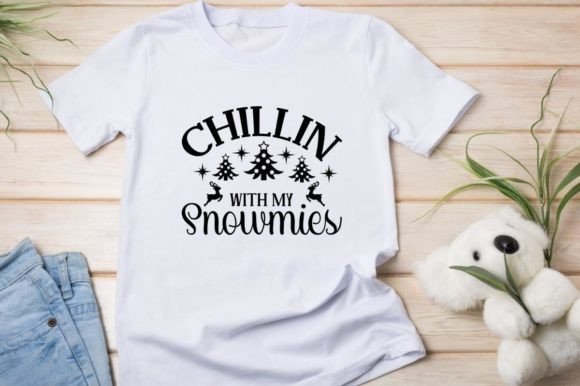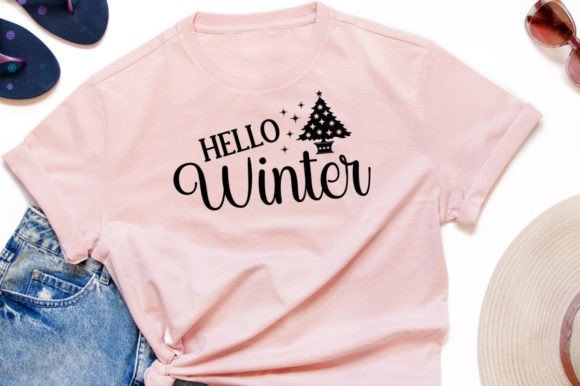
Hello Winter Beautiful Graphic Design: A Fresh Take on Seasonal Creativity
There's something special about designs that capture the crisp, quiet beauty of winter without relying on clichés. The Hello Winter Beautiful Graphic Design package does exactly that—it offers a sophisticated, versatile aesthetic that feels both contemporary and timeless. Whether you're a designer building seasonal campaigns, a small business owner creating branded merchandise, or a crafter looking for high-quality assets, this collection brings genuine creative value to the table.
Understanding the Visual Character and Appeal
What sets this design apart is its balanced personality. It doesn't lean too heavily into playful cartoon territory or drift toward overly formal holiday aesthetics. Instead, Hello Winter Beautiful Graphic Design occupies a sweet spot—clean lines meet organic flourishes, and the overall composition carries a warmth that contrasts beautifully with winter's chill. The typography feels intentional, the illustration elements are thoughtfully integrated, and the negative space works in your favor rather than against you.
The single-color approach deserves attention here. Working with one color isn't a limitation—it's a strategic advantage. A monochromatic design translates effortlessly across different media, adapts to various background colors without complications, and maintains its visual integrity whether it's scaled up for a wall print or shrunk down for a mug. This kind of restraint often produces the most versatile design assets, and this package follows that principle well.
Where This Design Truly Shines
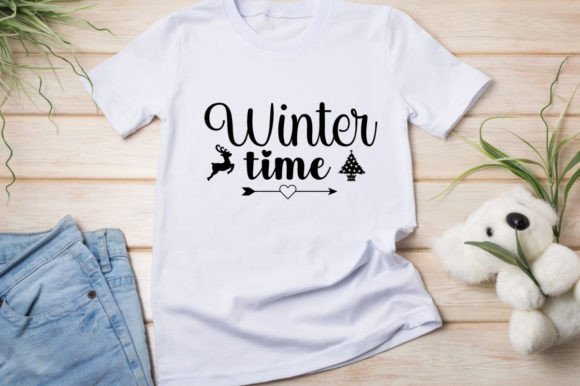
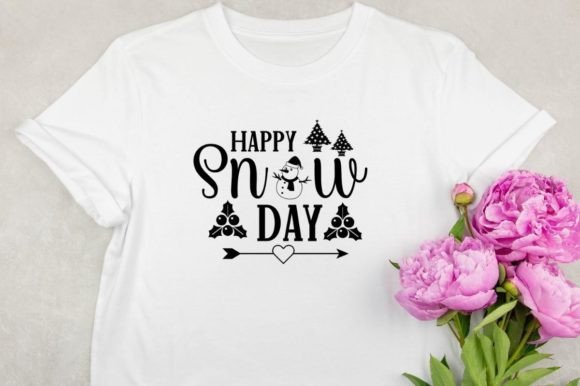
Think beyond the obvious seasonal applications. Yes, Hello Winter Beautiful Graphic Design works brilliantly for winter-themed merchandise—t-shirts, sweatshirts, hoodies, and mugs are natural fits. But its strength extends further. Consider using it for social media graphics during the colder months, incorporating it into editorial layouts for winter issues, or adapting it for packaging design on seasonal product lines. The clean execution means it holds up in professional contexts where less polished seasonal designs might fall short.
For entrepreneurs and small business owners, this is where practical value matters most. You're not just getting a pretty graphic—you're getting a design asset that maintains brand consistency across multiple touchpoints. Print it on merchandise for your shop, use it in your email marketing headers, feature it on your website's seasonal banner, and apply it to your social media content. The visual language stays cohesive because the source files give you genuine flexibility.
Working With the Included Files
The file package is structured with real-world use in mind. You receive PNG, EPS, SVG, AI, PDF, and DXF formats—covering virtually every design application you'll encounter. The 300 PPI resolution at 11×14 inches means you're working with print-ready quality from the start. No upscaling, no quality loss, no last-minute scrambling to find higher resolution versions when your printer requests them.
The transparent HD PNG files deserve particular mention. If you work primarily with drag-and-drop design tools or need to quickly composite the design onto different backgrounds, transparent PNGs eliminate the tedious background removal process. For designers who prefer working in vector environments, the EPS, SVG, and AI files give you complete control over scaling, color adjustments, and element manipulation.
Evaluating Fit for Your Specific Project
Before committing any design to a project, run it through a simple evaluation. Does the visual tone match your audience's expectations? Hello Winter Beautiful Graphic Design appeals to a broad demographic—its sophistication resonates with adults who appreciate thoughtful design, while its accessibility keeps it from feeling exclusionary. If your brand identity leans modern and approachable, this aesthetic aligns naturally.
Test the design at actual production size before finalizing. What looks balanced on screen might read differently on a physical product. Print a test sheet at full dimensions, view it from typical reading distance, and check that every element remains legible. This step takes five minutes and prevents costly reprints.
Consider your color palette carefully. Since the design comes in a single color, your background choice becomes the primary variable. Dark backgrounds create dramatic contrast, lighter tones produce a softer, more ethereal feel, and neutral grays let the design's details speak for themselves. Experiment with a few options before settling on your final combination.
Font Pairing and Typography Considerations
If you're incorporating this design into a larger layout—say, a poster with additional text or a merchandise line with supporting copy—think carefully about font pairing. The typographic style within Hello Winter Beautiful Graphic Design has its own voice, so any accompanying typeface should complement rather than compete. A clean sans serif font often works well for supporting text, providing contrast without visual conflict. Avoid pairing it with overly decorative scripts or heavy display fonts that might create typographic noise.
Practical Recommendations for Maximum Impact
Start with your strongest application. Rather than trying to use the design everywhere simultaneously, identify where it will have the most impact for your specific goals and build outward from there. If you're launching a seasonal product line, begin with your hero product—typically the item your audience sees first—and let the design establish the visual tone for everything that follows.
The included mockup files accelerate your workflow significantly. Use them to visualize how the design translates to physical products before committing to production. Share mockups with clients for approval, post them on social media to gauge audience response, or use them in your own planning process to refine your approach.
Finally, remember that great design assets work hardest when they're part of a thoughtful creative strategy. Hello Winter Beautiful Graphic Design gives you professional-quality raw materials—the rest depends on how intentionally you apply them to your projects, your brand, and your audience's experience.